Artificial intelligence (AI) and machine learning (ML) are two of the most talked-about technologies today. They power the recommendations you see on YouTube, the spam filter in your email and the voice assistant on your phone. But what do these terms actually mean, and why do they matter? This guide explains the basics in plain language.
What Is Artificial Intelligence?
Artificial intelligence is the field of computer science that builds systems able to perform tasks that normally need human intelligence. These tasks include understanding language, recognising images, making decisions and solving problems.
AI is a broad umbrella. A chess program, a chatbot and a self-driving car are all examples of AI, even though they work in very different ways.
What Is Machine Learning?
Machine learning is a subset of AI. Instead of being given a fixed set of rules, an ML system learns patterns from data and improves with experience.
For example, to teach a computer to spot spam emails, you do not write every rule by hand. You show it thousands of spam and non-spam emails, and it learns which features separate them.
AI vs Machine Learning: The Key Difference
- AI is the goal: making machines act intelligently.
- Machine learning is one method of reaching that goal by learning from data.
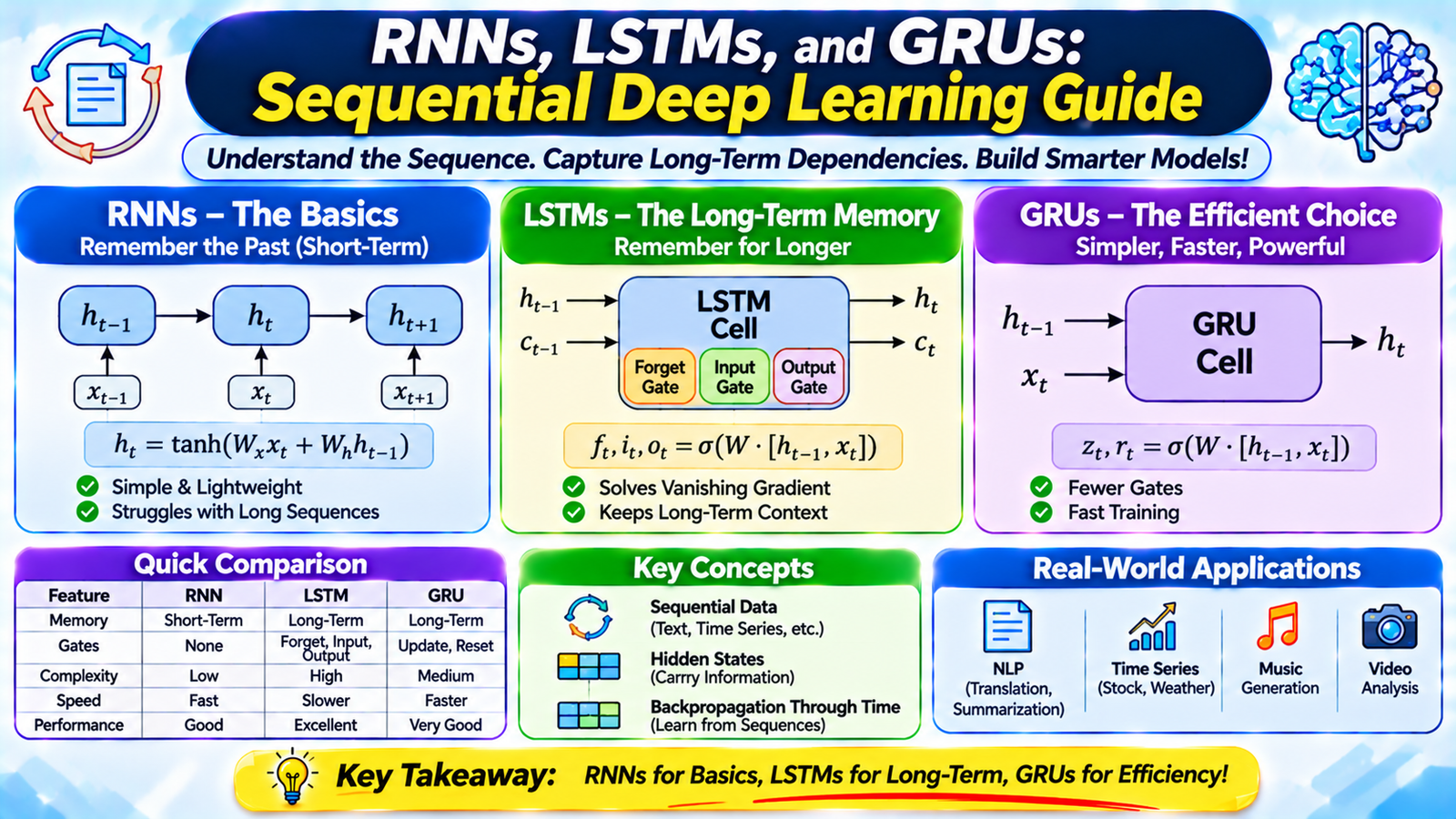
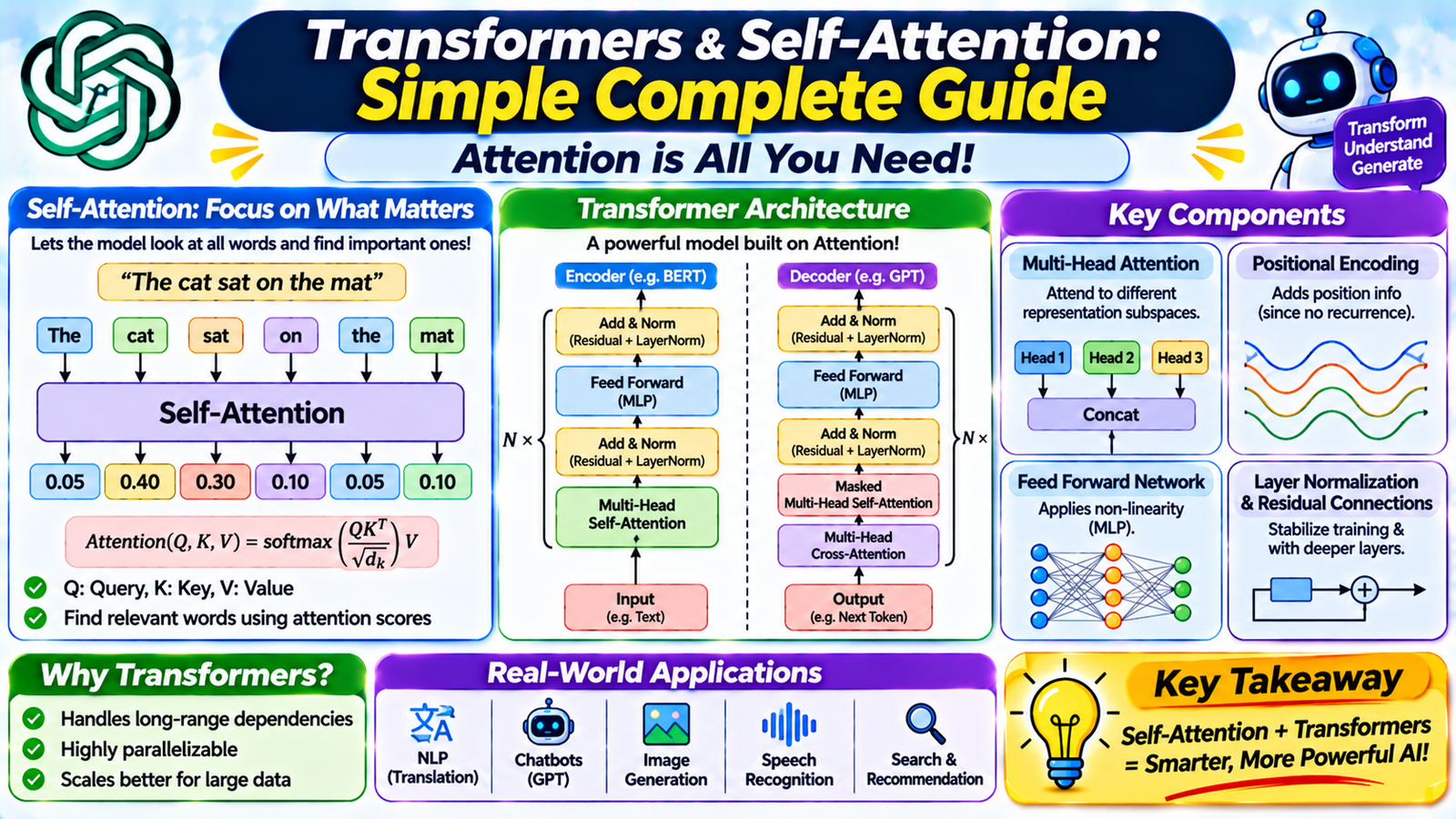
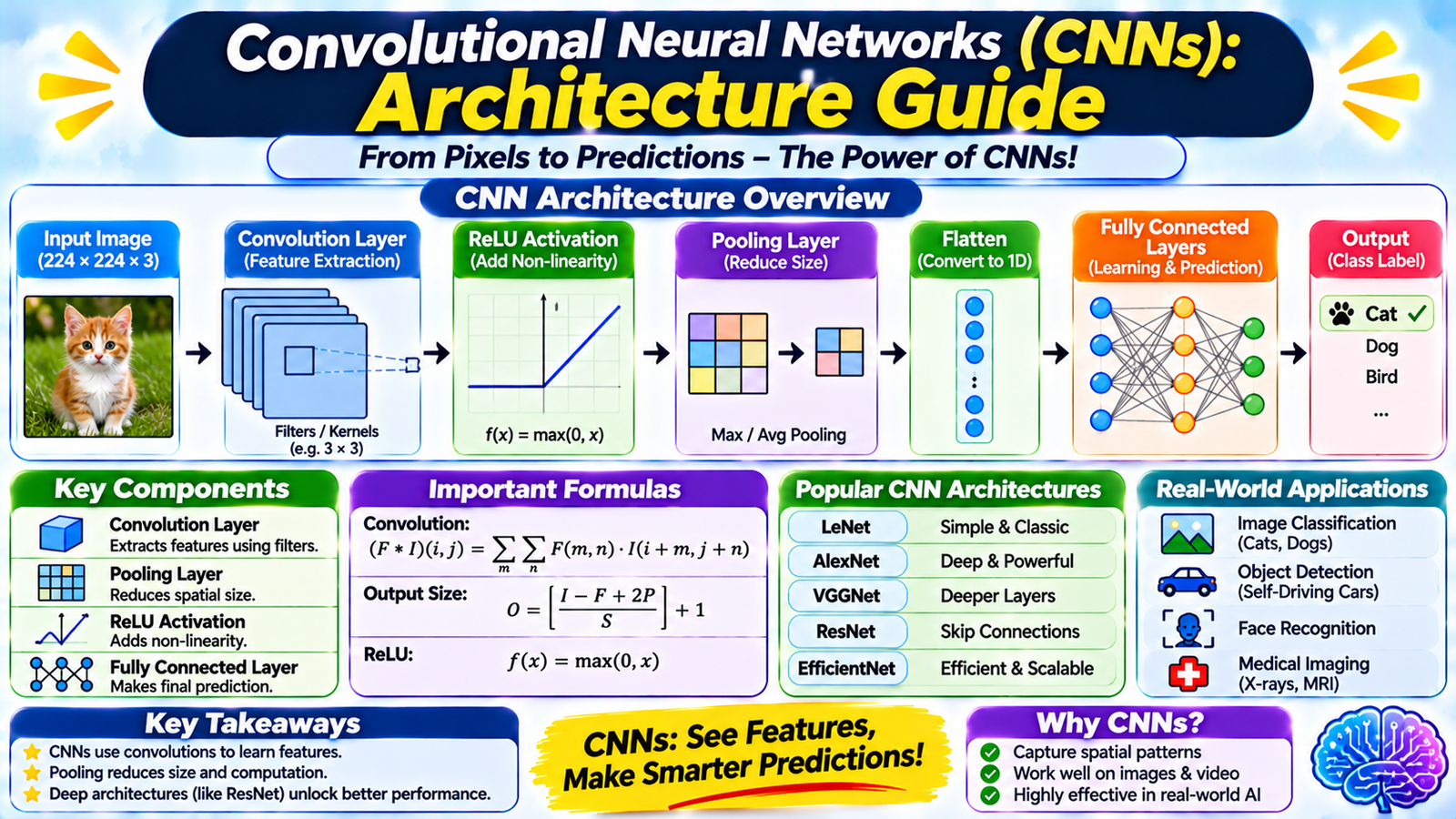
- Deep learning is a further subset of ML that uses layered neural networks, and it powers modern image and language tools.
Main Types of Machine Learning
Supervised Learning
The model learns from labelled data, where each example comes with the correct answer. It is used for price prediction and email spam detection.
Unsupervised Learning
The model finds hidden patterns in unlabelled data. It is often used to group customers with similar behaviour.
Reinforcement Learning
The model learns by trial and error, receiving rewards for good actions. It is used in robotics and game-playing systems.
Real-World Uses of AI and ML
- Healthcare: helping doctors detect diseases from scans.
- Banking: spotting fraudulent transactions in real time.
- E-commerce and entertainment: recommending products, films and music.
- Transport: route planning and driver-assistance systems.
- Customer service: chatbots that answer common questions around the clock.
Benefits and Challenges
AI can save time, reduce errors and handle tasks at a scale humans cannot. However, it also brings real challenges:
- Data quality: a model is only as good as the data it learns from.
- Bias: unfair or incomplete data can lead to unfair results.
- Privacy: AI often relies on large amounts of personal data.
- Jobs: some tasks will be automated, while new roles will appear.
Using AI responsibly means checking its results, protecting data and keeping humans in charge of important decisions.
How to Start Learning Machine Learning
- Learn Python. It is the most popular language for AI work.
- Brush up on basic maths. Focus on statistics, probability and a little linear algebra.
- Use beginner libraries such as NumPy, pandas and scikit-learn.
- Take a free course. Platforms like Coursera, Kaggle Learn and YouTube have good introductions.
- Build small projects, such as a house-price predictor or a spam classifier.
Conclusion
Artificial intelligence and machine learning are no longer science fiction. They are everyday tools shaping industries and daily life. You do not need to be an expert to understand the basics, and starting with small, hands-on projects is the best way to learn. Whatever your field, knowing how AI works will be a valuable skill in the years ahead.